
Honor Your Parents
One of the Ten Commandments. One of the most powerful practices for personal transformation. Discover why honoring parents is fundamental to a meaningful life—and learn how to practice it with depth and wisdom.
What is Kibbud Av Va'em?
On the surface it seems simple: treat your parents well. Chazal saw two whole disciplines inside it.
Kibbud Av Va'em — honoring one's father and mother — is one of the Torah's central commandments.
The ways we actively honor and care for our parents.
- Feeding, clothing, and helping them
- Showing up when they need us
- Speaking to them with warmth
The way we revere them.
- Not sitting in their place
- Not contradicting them harshly
- Not calling them by their first name

כַּבֵּד אֶת־אָבִיךָ וְאֶת־אִמֶּךָ
“Honor your father and your mother, so that your days may be lengthened.”
Shemot 20:12
In an era of confusion, child-focus and estrangement, honoring parents has never been more important.
Children are further from their parents than ever before.
Some feel their parents didn’t give them what they needed.
Others feel weighed down by expectations.
Many hold anger, disappointment, or grief.
Honoring your parents isn't about whether they deserved it.
It's about your freedom · your connection to Hashem
This practice isn't a reward for their behavior.
- A recipe for life
Straight from Hashem's Torah.
- An invitation to gratitude
The kind that transforms you.
- A recognition
Despite everything, they gave you the most precious gift: life itself.
This journey isn't easy. Hashem knew that — and sewn into that reality is its powerful reward. It is our pathway to a full and healthy life full of bracha.
This is our mitzvah.
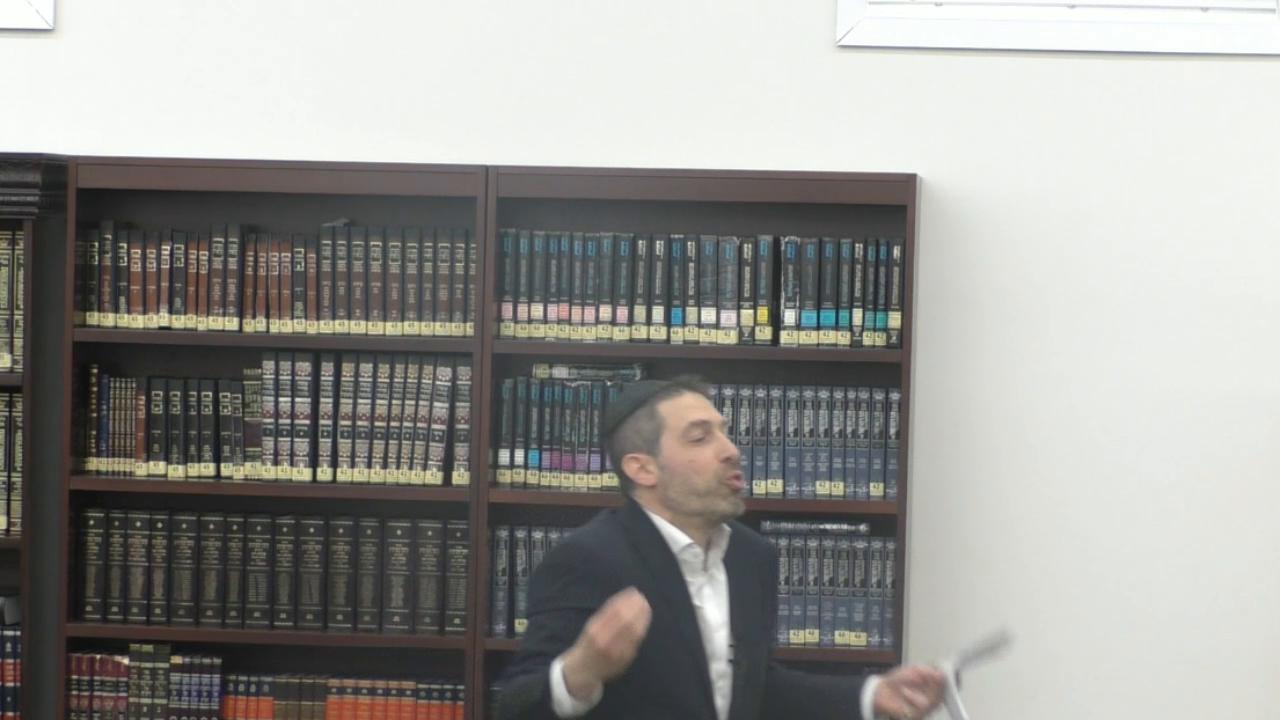
Hear from the Rabbi
This is a mitzvah most of us can explain in one sentence and still find genuinely hard to live. Family history, old hurt, distance, guilt — none of that disappears because the Torah commands us. These conversations don't pretend otherwise. Put one on during the drive or the dishes; hearing it talked through honestly tends to land differently than reading about it.
The questions people actually arrive with.
Almost nobody comes to this topic in general. People come with one specific question they have been carrying, sometimes for years, and often one they'd rather not say out loud. These are the ones that come up most.
What do I owe my parents now that I'm an adult?
What if our relationship is strained?
What if my parents gave me very little?
What if they hurt me?
What if they live far away?
How do I balance honoring my parents with my own family?
Submit your question to Rabbi Levy.
Bring the shailah you are actually carrying — the one an article cannot answer. Rabbi Levy's office reads every message and responds by email.

Join the 30 Day Challenge!
Thirty days. One quick lesson, one small action, and one honest question. This is not a course or reading list — just a month of learning one small thing at a time, in a mitzvah that impacts our eternity.
Sign up to begin. Leave your name and email and Day One opens right away — your progress is saved as you go.